 Image 1 of 4
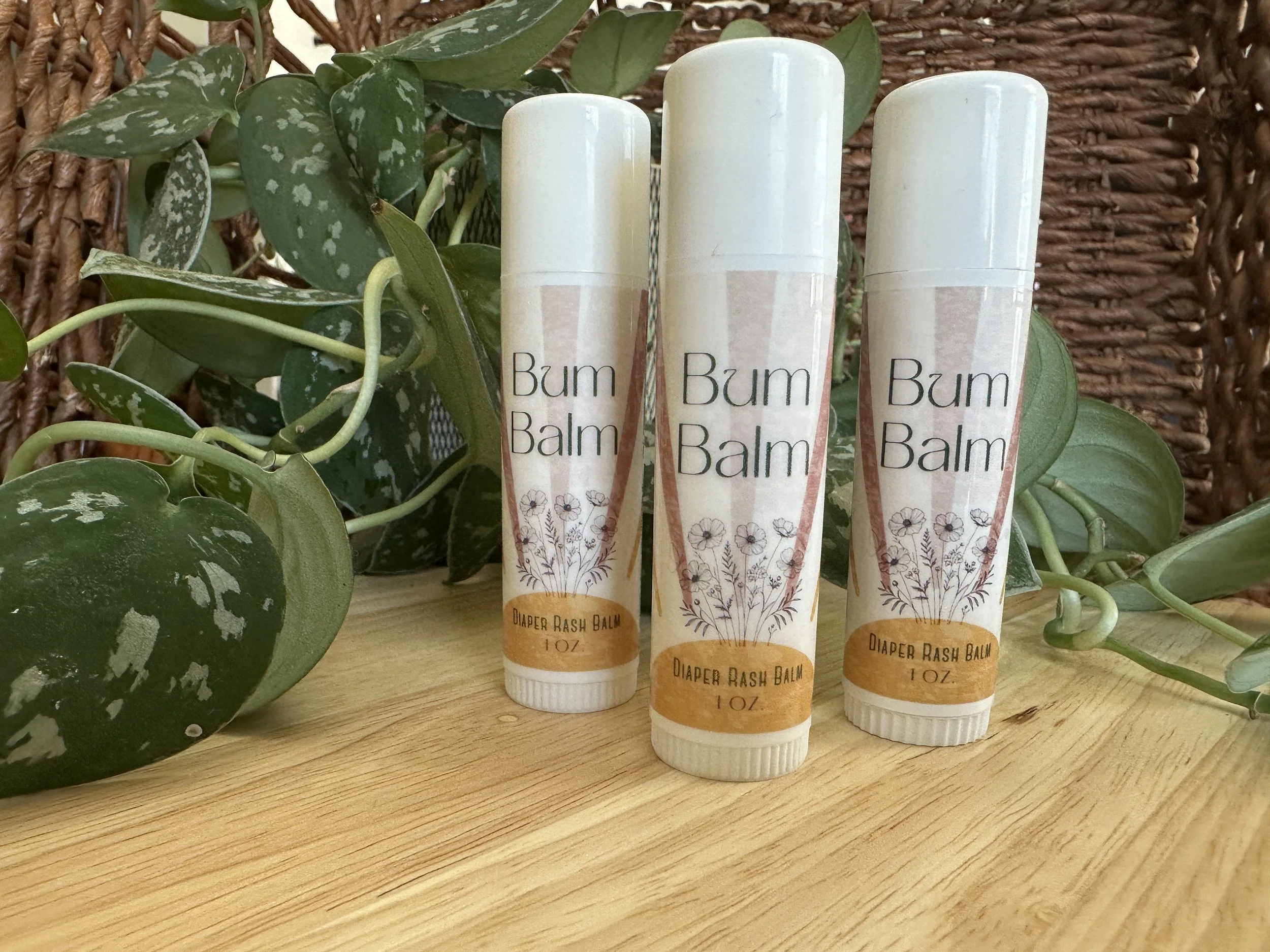 Image 2 of 4
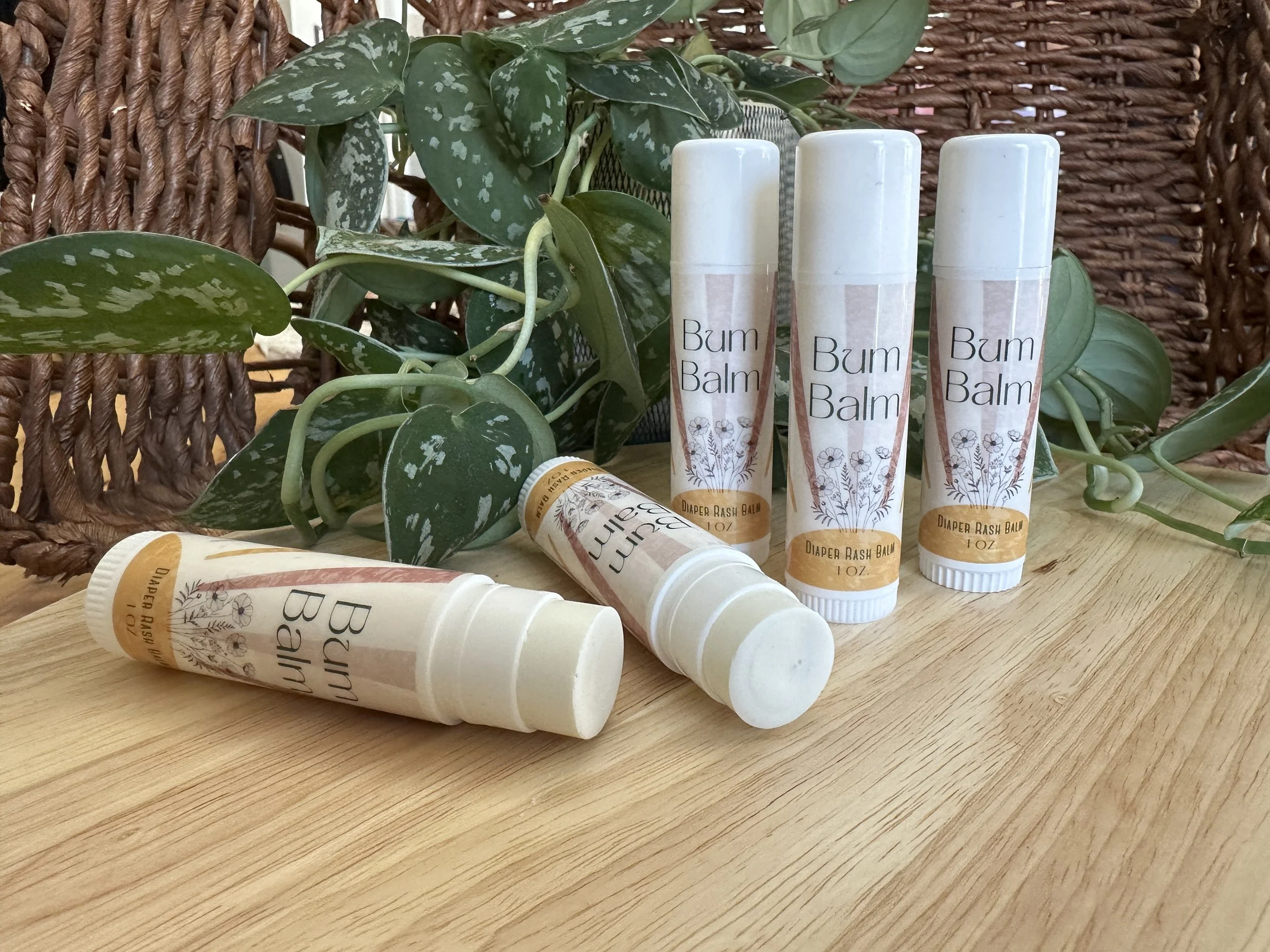 Image 3 of 4
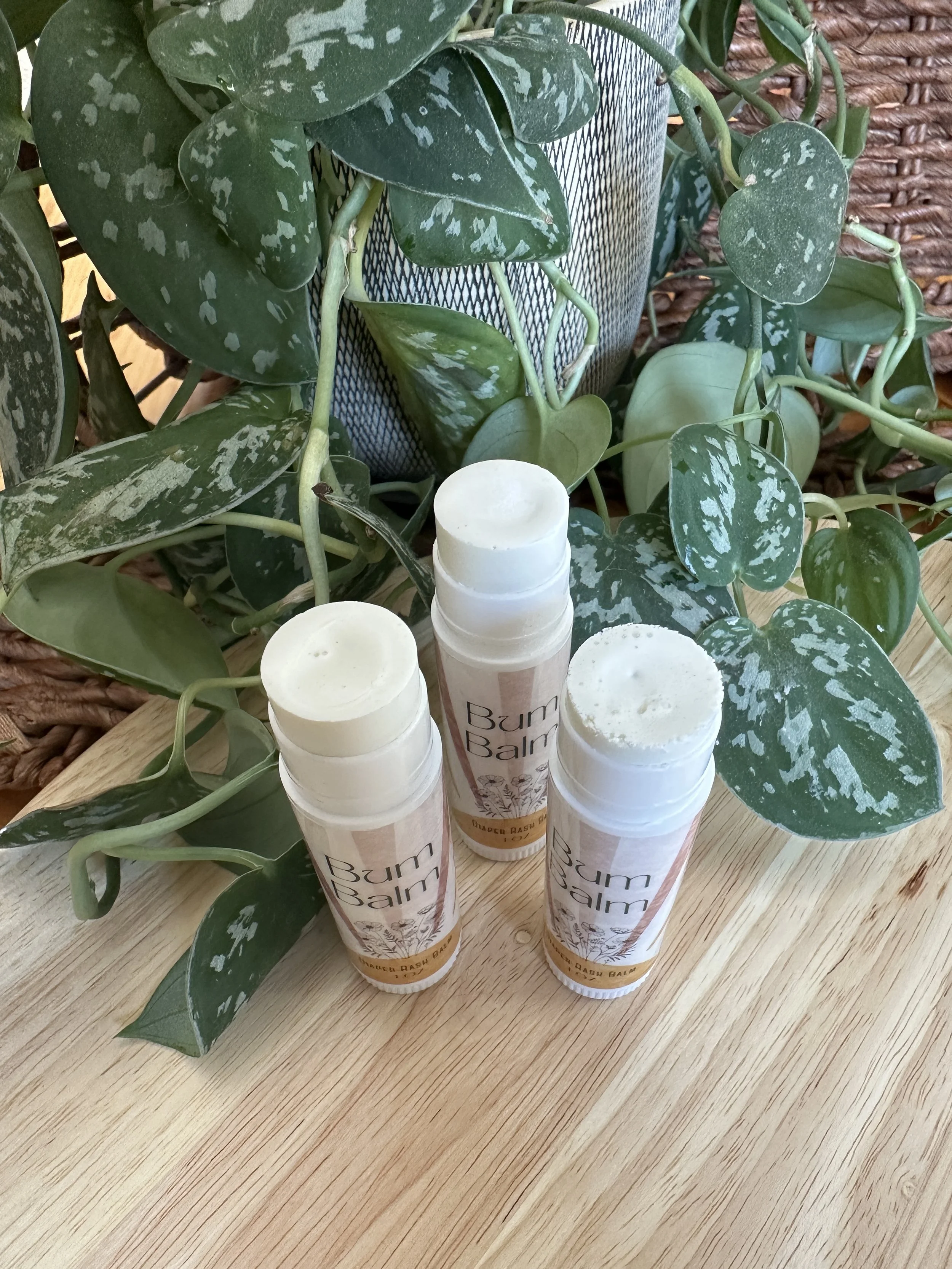 Image 4 of 4
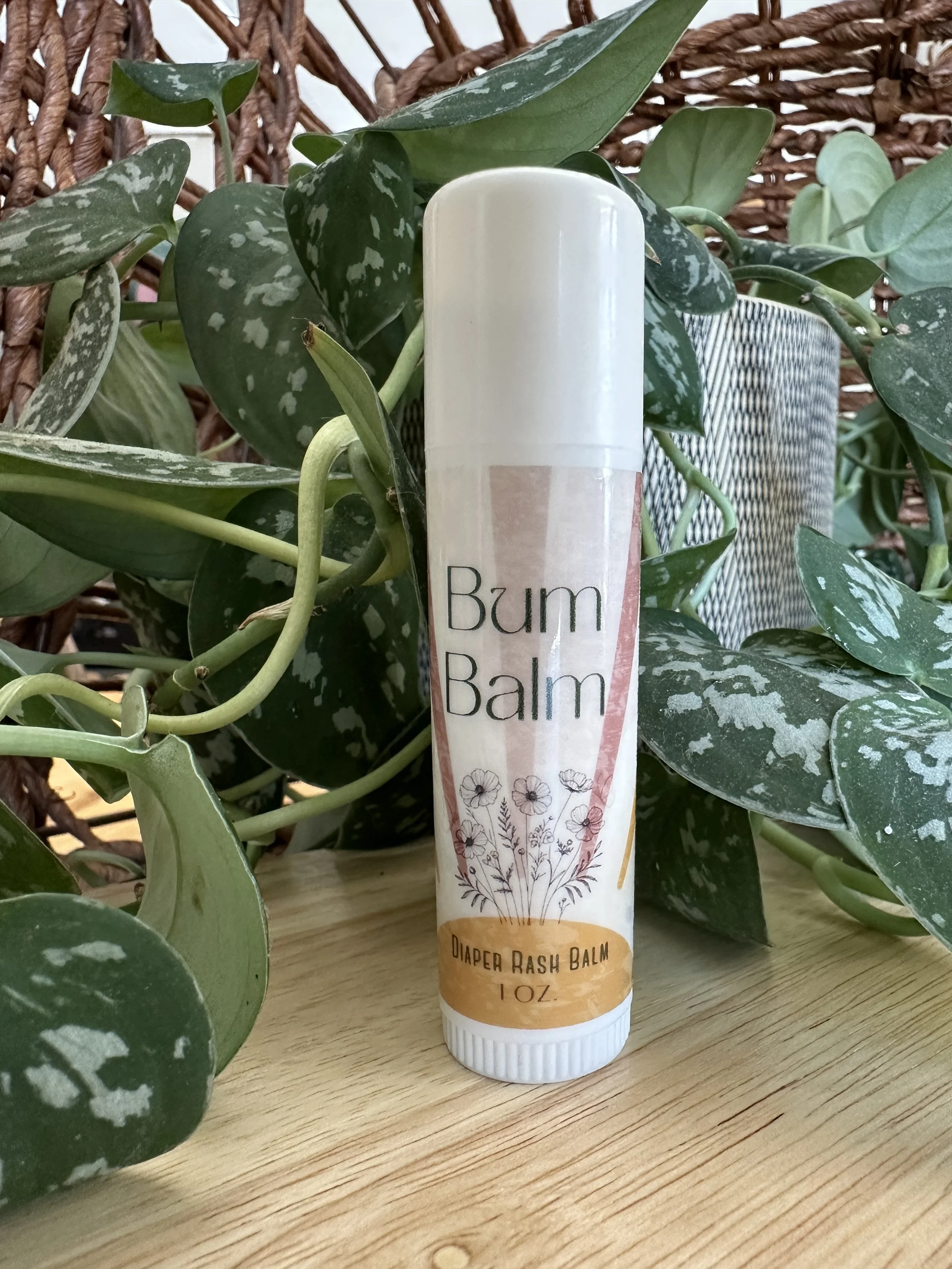
Zinc oxide in its non-nano form cannot enter the bloodstream or be absorbed by your skin. It is a great ingredient in diaper rash creams because it forms a barrier on skin, can reduce inflammation, and prevent infection. This diaper rash stick won’t get your fingers dirty and it can aid the healing of those pesky diaper rashes.
Non-nano zinc oxide provides effective, broad-spectrum sun protection and several practical benefits compared with nano (very small particle) zinc oxide. Key advantages include:
Broad-spectrum UV protection
Zinc oxide naturally blocks both UVA and UVB rays. Non-nano particles remain larger, forming a physical barrier on the skin to reflect and scatter ultraviolet radiation.
Low skin penetration
Larger, non-nano particles sit on the skin surface rather than penetrating into deeper layers. This reduces the likelihood of systemic absorption and is preferred by consumers seeking minimal ingredient uptake.
Safety profile and regulatory acceptance
Non-nano zinc oxide is widely accepted by regulatory bodies and favored in formulations targeting infants, sensitive skin, and people concerned about long-term exposure to nanoparticles.
Gentle on sensitive skin
Because it’s a physical blocker and typically chemically inert, non-nano zinc oxide is less likely to irritate compared with some chemical sunscreen actives. It is commonly used in formulations for eczema-prone, reactive, and baby skin.
Antimicrobial and soothing properties
Zinc oxide can provide mild antimicrobial and skin-soothing effects, useful in barrier creams and products intended to calm irritated skin.
Ingredients: coconut oil, shea butter, beeswax, non-nano zinc oxide, essential oils: lavandula angustifolia (lavender), melaleuca alternifolia (tea tree), mentha piperita (peppermint)
Zinc oxide in its non-nano form cannot enter the bloodstream or be absorbed by your skin. It is a great ingredient in diaper rash creams because it forms a barrier on skin, can reduce inflammation, and prevent infection. This diaper rash stick won’t get your fingers dirty and it can aid the healing of those pesky diaper rashes.
Non-nano zinc oxide provides effective, broad-spectrum sun protection and several practical benefits compared with nano (very small particle) zinc oxide. Key advantages include:
Broad-spectrum UV protection
Zinc oxide naturally blocks both UVA and UVB rays. Non-nano particles remain larger, forming a physical barrier on the skin to reflect and scatter ultraviolet radiation.
Low skin penetration
Larger, non-nano particles sit on the skin surface rather than penetrating into deeper layers. This reduces the likelihood of systemic absorption and is preferred by consumers seeking minimal ingredient uptake.
Safety profile and regulatory acceptance
Non-nano zinc oxide is widely accepted by regulatory bodies and favored in formulations targeting infants, sensitive skin, and people concerned about long-term exposure to nanoparticles.
Gentle on sensitive skin
Because it’s a physical blocker and typically chemically inert, non-nano zinc oxide is less likely to irritate compared with some chemical sunscreen actives. It is commonly used in formulations for eczema-prone, reactive, and baby skin.
Antimicrobial and soothing properties
Zinc oxide can provide mild antimicrobial and skin-soothing effects, useful in barrier creams and products intended to calm irritated skin.
Ingredients: coconut oil, shea butter, beeswax, non-nano zinc oxide, essential oils: lavandula angustifolia (lavender), melaleuca alternifolia (tea tree), mentha piperita (peppermint)